When Class II biosafety cabinets need to discharge outdoors, the way they connect to building exhaust matters.
A canopy connection, also known as a thimble or air-gap connection, can help protect cabinet performance from building exhaust fluctuations, support proper alarm response, and preserve containment when designed and commissioned correctly.
Download the White Paper
Canopy Connections for Class II BSCs and NSF/ANSI 49 Requirements
This technical guide was created for facilities teams, mechanical contractors, EHS professionals, and lab operations leaders responsible for BSC installation, exhaust integration, commissioning, and certification.
Why This Matters
Class II Type A-series biosafety cabinets, especially Type A2 cabinets, are commonly used in research, clinical, and production environments.
But when external discharge is required, a hard duct connection can create unnecessary risk by tying cabinet performance directly to building exhaust variability.
A properly designed canopy connection creates an intentional air gap between the cabinet and the building exhaust system, helping isolate the BSC from downstream pressure changes while still supporting safe external discharge.
The risk is not just airflow.
The risk is false confidence.
Inside This Technical Guide
You’ll learn:
✔ When canopy connections are appropriate for Class II BSCs
✔ Why Type A1, A2, and C1 cabinets should not be hard-ducted when externally exhausted
✔ How canopy connections support containment and alarm response
✔ What NSF/ANSI 49 expects during field certification
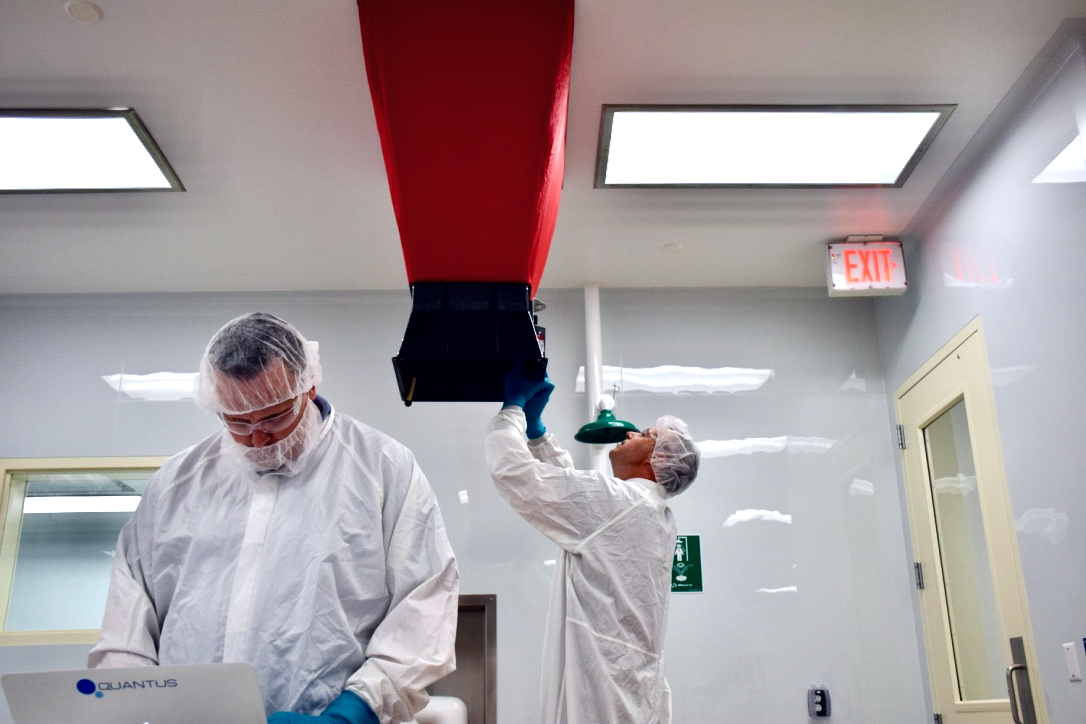
✔ How smoke testing verifies loss-of-capture and alarm setpoints
✔ Common installation pitfalls that create risk
✔ What contractors, certifiers, EHS teams, and manufacturers each need to document
Who This Is For
This guide is designed for:
- Building and mechanical contractors
- Facilities and mechanical engineers
- EHS and biosafety officers
- Lab managers and operations leaders
- Teams responsible for BSC commissioning, certification, or retrofits
What You’ll Walk Away With
A clearer understanding of how canopy connections should be designed, tested, documented, and maintained for Class II biosafety cabinets.
The goal is not just to connect the cabinet.
It’s to protect performance, reduce risk, and support certification with confidence.







 Social icons
/Quantus-Autoclave-Validation-Service-temperature-mapping.jpg?width=1000&height=667&name=Quantus-Autoclave-Validation-Service-temperature-mapping.jpg)